
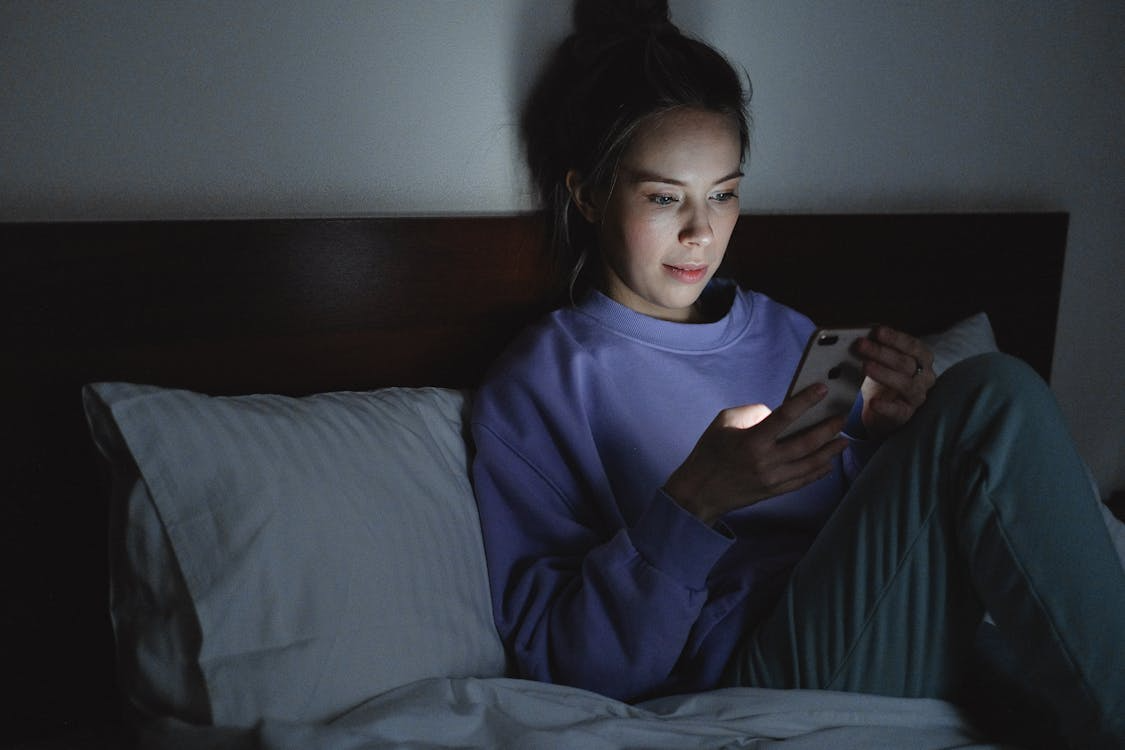
What late-night search behavior reveals not just what they want to know, but what they’re carrying with them into the dark hours.
Late-night searches tell a different story than daytime ones. They’re quieter, more personal, and often more revealing. When schedules loosen and distractions fade, people turn to search engines with questions shaped by fatigue, reflection, and unresolved curiosity. These searches offer a candid snapshot of modern life when no one else is watching.
Silence Creates Space for Unfiltered Thought
During the day, attention is fragmented. Work, notifications, and obligations keep more profound questions at bay. At night, that noise recedes. In the absence of distraction, thoughts surface that didn’t have room earlier.
Late-night searches often involve introspection. People look up questions about meaning, purpose, relationships, and personal concerns they’ve postponed. Search becomes a place to think out loud without interruption.
This pattern reflects how modern life leaves little room for reflection until everything else stops.
Explore How Online Curiosity Has Changed in the Last 10 Years for broader context.
Fatigue Lowers Emotional Barriers
Exhaustion changes how people think and feel. At night, emotional defenses are weaker, making worries feel heavier and curiosity more vulnerable. Questions that might feel manageable during the day can feel urgent after midnight.
This is why late-night searches often include language that seeks reassurance. People ask whether something is normal, whether they’re alone, or whether they should be concerned. These searches aren’t driven by panic, but by emotional openness.
Search engines become quiet companions when self-doubt feels louder.
Check Why Health-Related Searches Peak at Night to compare stress and sleep effects.
Privacy Encourages Honest Curiosity
Late-night searching often occurs in private spaces, such as beds, quiet rooms, and dimly lit screens. This privacy encourages honesty. People search questions they wouldn’t ask publicly, even to friends.
Topics related to mental health, identity, fear, and uncertainty rise during these hours. The anonymity of search feels safest when the world feels asleep.
These patterns reveal how people rely on private information channels to navigate emotions they are not yet ready to share.
Read The Psychology Behind ‘Is This Normal?’ Searches for insight into late-night questions.
Time Pressure Shifts From Productivity to Meaning
Daytime searches often focus on efficiency, such as finding ways to do things faster, better, or more cost-effectively. At night, urgency shifts. People aren’t trying to optimize tasks; they’re trying to understand themselves.
Searches about life choices, regrets, or future possibilities become more common. Without immediate demands, people reflect on direction rather than performance.
Late-night search behavior captures this transition from doing to being.
Modern Life Blurs Work and Rest
The rise of late-night searching also reflects the erosion of boundaries between work and rest. Many people are awake later due to flexible schedules, screen habits, or stress.
As a result, searching becomes part of winding down, even when it unintentionally keeps people awake longer. Curiosity extends beyond traditional hours, reshaping when people process information.
This blur reveals how technology stretches awareness across the entire day.
Learn Why ‘Should I Be Worried?’ Is a Common Search Phrase to see how anxiety shapes after-hours searching.
What Late-Night Searches Ultimately Show
Late-night searches reveal the emotional undercurrent of modern life. They show people grappling quietly with questions that don’t fit neatly into busy schedules.
These searches aren’t impulsive; they’re reflective. They capture moments when people pause long enough to ask what they really want to know.
Search engines quietly hold these questions, offering answers when conversation, clarity, or certainty feels out of reach. In the stillness of night, search becomes a mirror for thoughts that finally have space to surface.