
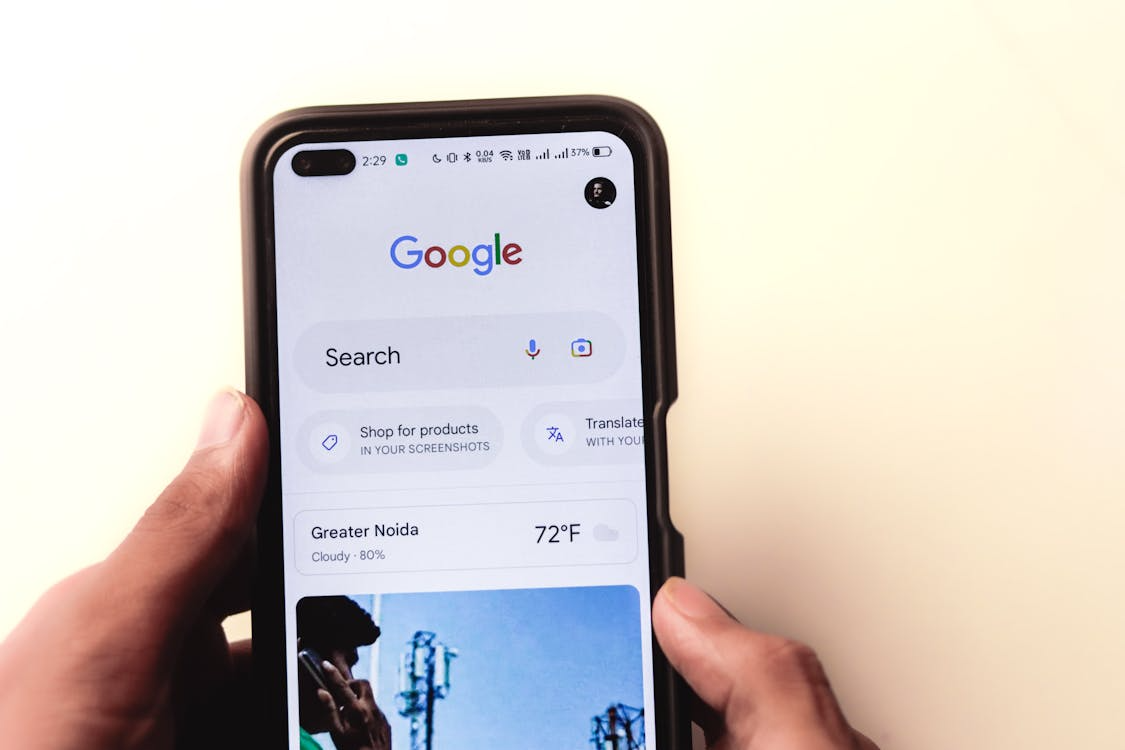
Zero-click searches reveal how efficiency is changing the internet’s incentive structure.
More searches than ever now end without a click. People type a question, see an answer instantly, and move on. These are known as “zero-click” searches, and they represent a significant shift in how information flows online. While they make search faster and more convenient for users, they also reshape who benefits from attention and who doesn’t.
Answers Appear Before Exploration Begins
Search engines increasingly provide direct answers at the top of results. Definitions, calculations, summaries, and quick explanations are surfaced immediately, removing the need to visit another site.
For users, this feels helpful. They get what they need without friction. For content creators, it changes the role of their work. Information may still be used, but traffic doesn’t always follow.
Search becomes a destination rather than a gateway.
See Why Autocomplete Shapes Our Questions to know how algorithms work.
Convenience Shifts User Expectations
Once users experience instant answers, expectations reset. Waiting, clicking, and reading feel unnecessary for simple questions. People often grow accustomed to resolutions without thorough exploration.
This shapes search behavior. Queries become shorter and more direct. Users ask questions expecting immediate closure rather than deeper engagement.
The internet moves toward utility over discovery.
Explore Why People Trust Search Results Instinctively to understand why top answers feel definitive.
Content Becomes Infrastructure, Not Destination
In a zero-click environment, content often functions as raw material rather than a final experience. Websites supply data that search engines repackage into summaries, snippets, and cards.
This changes how value is distributed. Information still matters, but visibility and brand-building become harder when users don’t leave the search page.
Content supports the system without always benefiting from it.
Complex Questions Resist Zero-Click Answers
Not all searches can be resolved instantly. Nuanced decisions, emotional questions, and subjective topics still require exploration.
This creates a divide. Simple informational queries become zero-click. Complex curiosity remains click-driven. The internet bifurcates into quick-answer space and deep-dive space.
Creators who offer insight rather than facts retain relevance.
Read The Difference Between Searching and Knowing to compare quick answers with deeper understanding.
Zero-Click Searches Alter Measurement of Influence
Traditional search metrics rely on clicks, visits, and engagement. Zero-click searches reduce visible interaction, making impact harder to measure.
A page may shape understanding without generating traffic. Influence becomes indirect and harder to attribute.
This challenges how success is defined online.
Trust Concentrates at the Top
When answers appear instantly, users trust what’s shown first. Alternative perspectives become less visible, even if equally valid.
This concentrates authority. Search engines effectively choose which answers feel definitive, narrowing exposure to diverse interpretations.
Efficiency comes with trade-offs in plurality.
Users Gain Speed, Lose Serendipity
Zero-click searches save time but reduce the chance of discovery. Users get answers without having to navigate related ideas.
The internet becomes more efficient, but less exploratory. Curiosity resolves faster, but it also ends sooner.
What’s gained in speed may be lost in depth.
Check What the Future of Search Might Look Like to dive deeper into broader search evolution.
What Zero-Click Searches Ultimately Mean
Zero-click searches push the internet toward speed and immediacy. Search engines streamline information delivery, reset expectations, and compress attention.
Users get answers faster. Creators must deliver deeper value: context, perspective, and meaning that snippets can’t capture.
The internet isn’t shrinking. It’s reorganizing. Zero-click searches reveal how efficiency shifts where understanding occurs, and where it no longer requires additional effort.