
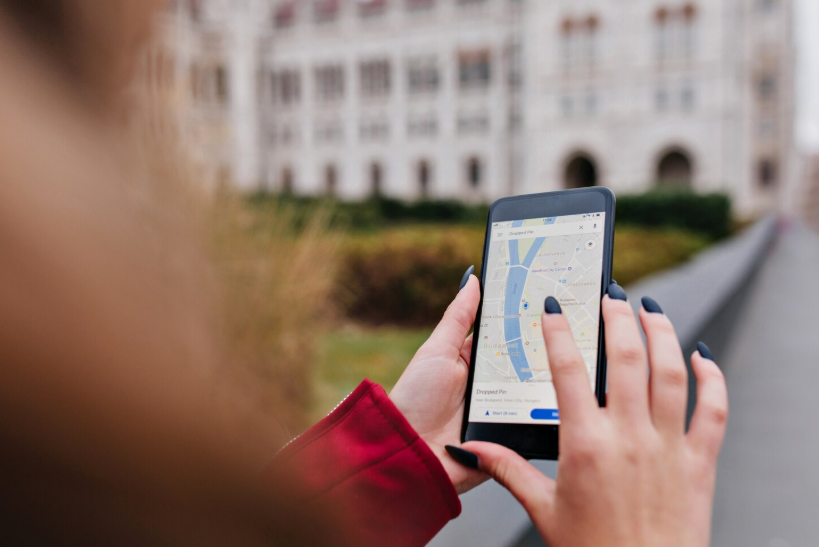
These searches reveal a more profound shift toward immediacy, convenience, and context-aware decision-making.
Why “near me” searches grow because of the most persistent patterns in modern search behavior. Whether people are looking for food, services, help, or entertainment, location-based queries continue to rise year after year. This growth isn’t driven by novelty. It’s driven by how people now expect information to adapt instantly to their physical surroundings.
Convenience Has Become the Default Expectation
People no longer search with the intention of browsing broadly. They search with the expectation of action. “Near me” signals readiness. Someone is looking to go somewhere, buy something, or solve a problem now, not later.
This expectation has grown in tandem with mobile usage. When a phone is already in hand and location-aware, searching without geographic relevance feels inefficient. Users expect results to automatically reflect their current location.
“Near me” searches reflect a mindset where convenience isn’t a bonus; it’s the baseline.
Explore How Search Engines Decide What You See First to understand how local results get prioritized.
Time Pressure Shapes Local Intent
Modern schedules leave little room for planning far ahead. People search between tasks, during errands, or while already in motion. In these moments, proximity matters more than brand loyalty or extensive comparison.
Local searches reduce decision fatigue. By limiting options to what’s nearby, people simplify their choices and move more quickly. This is especially common for everyday necessities such as food, repairs, or services.
Search engines become navigational tools, guiding decisions under time pressure rather than supporting long-term research.
Read Why ‘How To’ Searches Surge During Economic Uncertainty for another action-driven search pattern.
Trust Increases With Physical Proximity
Location-based searches often feel safer. A nearby business or service feels more tangible and accountable than a distant one. Physical presence implies legitimacy, accessibility, and responsiveness.
This trust factor drives “near me” growth, even when online options are available. People prefer solutions they can reach quickly, return to easily, or verify in person.
Search behavior reflects this subtle preference for grounded, real-world options in an increasingly digital environment.
Smartphones Turn Search Into Movement
“Near me” searches blur the line between searching and navigating. Results often lead directly to directions, hours, or contact actions. The search isn’t the end; it’s the first step in motion.
This shift reflects the integration of search engines with maps, reviews, and real-time data. Searching becomes part of moving through space rather than sitting still.
As a result, curiosity is tied to location. People don’t just ask what exists—they ask what exists around them right now.
Check How Voice Search Is Changing Question Style to see how mobile use shapes phrasing.
Local Relevance Adapts to Life Stages
Different life stages increase reliance on local search. Parents search for nearby solutions under time constraints. New residents search to orient themselves. Older users search for accessible, familiar options.
These life-driven needs compound overall growth. “Near me” becomes a universal phrase because location relevance cuts across age, income, and experience.
Search engines accommodate this by prioritizing proximity, making location-based queries feel increasingly natural.
Learn Why Searches About Aging Spike at Specific Life Stages for how needs shift over time.
Why “Near Me” Searches Continue to Rise
The growth of “near me” searches reflects a broader shift toward situational relevance. People don’t want the best option in theory. They want the best option for where they are, right now.
These searches show how information has become contextual rather than static. Search adapts to movement, time pressure, and personal needs in real-time.
As long as people value speed, clarity, and convenience, “near me” searches will keep growing, not because they’re trendy, but because they align perfectly with how modern life works.